

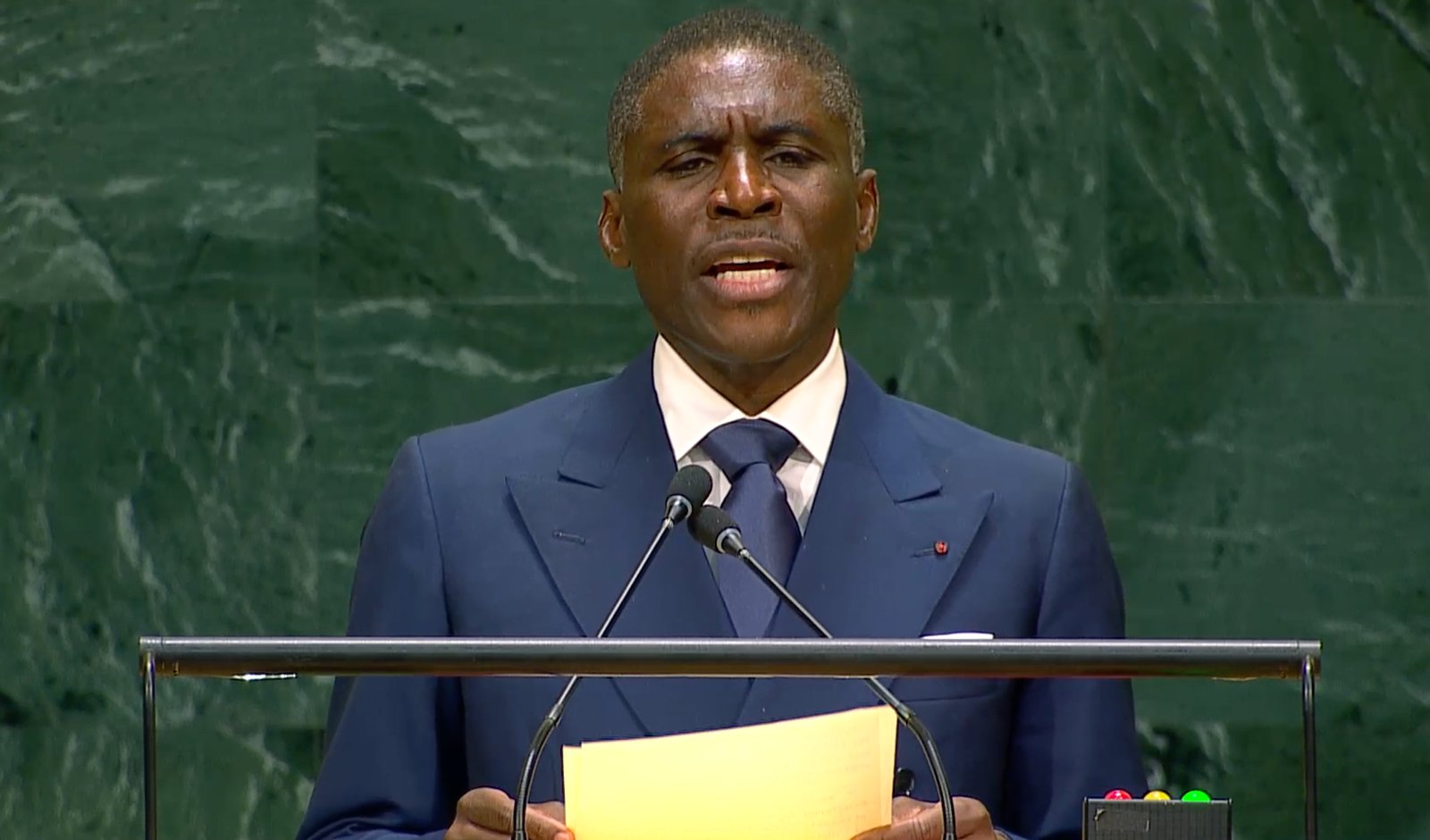
Teodoro Nguema Obiang Mangue, Vice President of Equatorial Guinea, called for cooperation that preserves peace, drives sustainable and inclusive growth and strengthens the ability of Global South countries to shape their own futures.
Cooperation in the twenty-first century must help countries mobilize financing, process raw materials and develop knowledge and technologies, he said. For Africa, this means investment in local value chains, infrastructure, industrialization, human capital and new technologies to create jobs. A more productive and industrialized continent would be a stronger partner and help address migration, he stressed.
Recalling the 2030 Agenda, he said the world had embraced a deeply human vision: eradicating poverty, protecting the planet and ensuring everyone can live with dignity, leaving no one behind.
“However, as we approach its end date, we are far from reaching its goals,” he warned. “The gaps have not narrowed: poverty persists, inequality is expanding and climate change continues to hit hard.” He called for an international financial architecture that enables productive investment, reflects developing countries’ vulnerabilities and supports national efforts.
Turning to peaceful dispute resolution, he highlighted Equatorial Guinea and Gabon’s decision to submit their territorial disputes to the International Court of Justice. Both countries continue to advance implementation of the outcome through bilateral dialogue, he said.
Africa’s 54 United Nations Member States represent a fundamental part of the political and demographic reality of the twenty-first century, he emphasized. He reaffirmed Equatorial Guinea’s support for the Common African Position, enshrined in the Ezulwini Consensus and the Sirte Declaration, which calls for two permanent Security Council seats with veto rights for Africa and two additional non-permanent seats.