


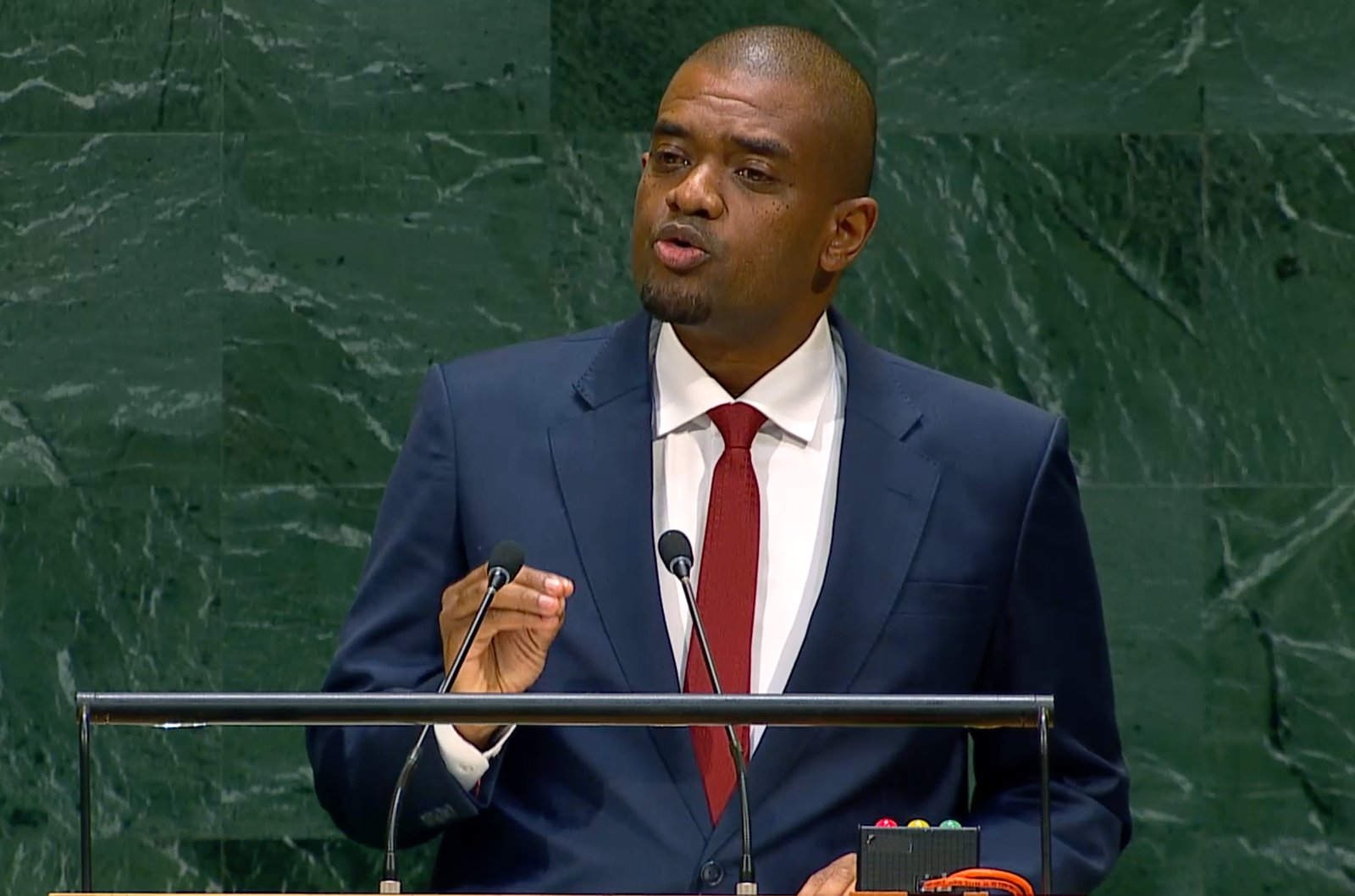
Pointing to “unimpressive” progress in achieving the Sustainable Development Goals, Deogratius Ndejembi, Vice President of the United Republic of Tanzania, urged: “We need to improve our execution and ensure that every cent invested delivers results.”
His country has made strides in implementing the 2030 Agenda, with investments in its people, productive infrastructure, technology and innovation. But “these ambitions may not be realized if the international financial architecture is not made to work for development”, due to high borrowing costs, rising debt burdens, and limited access to affordable long-term finance.
He said “unjustifiable obstacles, mainly from those contributing significantly to greenhouse gas emissions”, continue to face his country’s efforts to combat climate change. This includes withdrawal of financial contributions supporting climate adaptation measures and initiatives by international and regional institutions, and individual States.
He called for prioritizing delivery on pledges for climate action by increasing long-term concessional financing and development of new technology, and a just energy transition via a national renewable energy strategy, with hydro, solar, geothermal, and wind power projects.
He appealed for climate financing provided as grants and concessional financing to step up such efforts. His country joins small island and coastal States to find a workable solution to rises in sea levels. “Timely and urgent action is needed to safeguard the future of coastal communities and island nations.”
On sanctions, he said that “Global solidarity must be concurrent with respect of each other’s sovereignty” and reaffirmed unwavering solidarity with Cuba, Zimbabwe and other countries subjected to such “unjustifiable constraints”.
These measures should be lifted immediately, as they “cause hardships, constrain development, and obstruct full enjoyment of human rights”.