

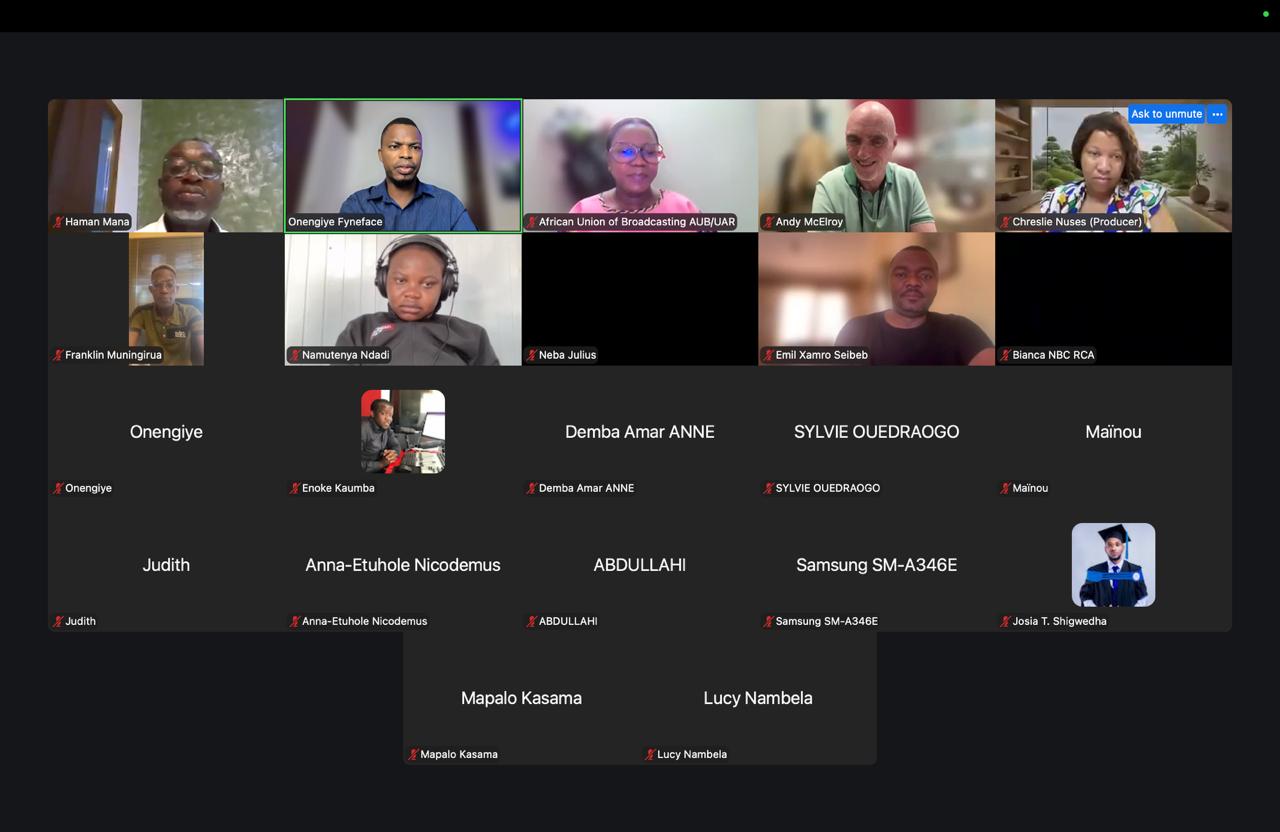
The African Union of Broadcasting (AUB), in partnership with the Green Climate Fund (GCF), has launched a Climate Impact Stories Partnership in Support of broadcast News Coverage of GCF Projects in Africa. The partnership commenced with a two-day climate reporting training programme for journalists from Namibia, Zambia and Senegal. The programme is designed to strengthen journalists’ ability to produce accurate, human-centred and solutions-focused reports on climate change and its impact on communities.
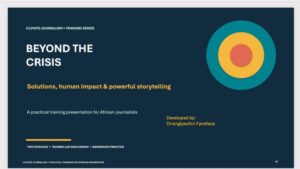
The training, which opened on 4 November 2026, is focused on helping journalists move beyond crisis-driven coverage to tell stories that examine the human consequences of climate change, explore practical responses and hold relevant institutions accountable.
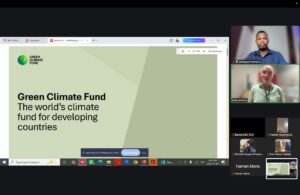
The programme also provided participants with an overview of the Green Climate Fund and its work in Africa. Andrew McElroy, Media Senior Specialist in the GCF Department of Communications and the Fund’s focal point for the partnership with AUB, outlined the organisation’s role in supporting climate action through finance, strengthening national institutions and mobilising private sector investment.

McElroy highlighted the GCF’s African portfolio, which comprises 155 projects with a total value of US$7.7 billion across 55 countries. He also presented examples of GCF-supported interventions in Namibia and Zambia, showing how climate finance is being used to support communities and address climate-related challenges.
Margaret Komol, AUB Head of Projects and Training, highlighted the importance of the programme in strengthening the capacity of African journalists to report climate change more effectively. She reaffirmed AUB’s commitment to equipping journalists with the knowledge and practical skills to tell compelling climate stories that reflect the realities of communities across the continent. She said the partnership is intended to strengthen climate reporting capacity and improve public understanding of climate finance and the work being undertaken to address climate change across the continent.

Leading the sessions, Onengiye Fyneface, the programme’s trainer, guided participants through approaches to effective climate storytelling. He emphasised the need to connect local experiences with wider climate trends, support reporting with verified data and expert evidence, and give affected communities a voice.
A key part of the training addressed solutions journalism. Fyneface explained that reporting on climate solutions requires more than presenting successful initiatives. Journalists must examine the evidence behind proposed interventions, assess their limitations and costs, and consider who benefits and whether the responses can be sustained.
Participants examined a range of potential story topics reflecting the climate challenges facing their countries and communities. These included coastal erosion in Saint-Louis, Senegal, the impact of drought on maize production and cattle farming in Zambia, challenges facing communal farmers in Namibia, and the effects of climate change on rice farming in northern Cameroon. Other proposed areas included water scarcity, extreme heat, waste recycling, energy shortages and human-wildlife conflict.

The sessions also focused on developing strong story pitches by identifying specific locations, people affected, relevant experts and the audiences each story is intended to reach. Participants were encouraged to avoid broad, general accounts of climate change and instead build their reports around real people and clearly defined issues.

Following the training, participating journalists will develop and produce documentaries and news features examining climate challenges and responses, including initiatives supported by the Green Climate Fund. Production grants will support the reporting process, with funding for fieldwork for participating colleagues in Zambia and Namibia. English-speaking journalists from Senegal will join a French-speaking cohort for the production activities.
The productions are expected to begin immediately after the training and be completed by December 2026. Through the initiative, AUB and GCF aim to bring more evidence-based reporting on climate action and its impact on African communities to television audiences.