


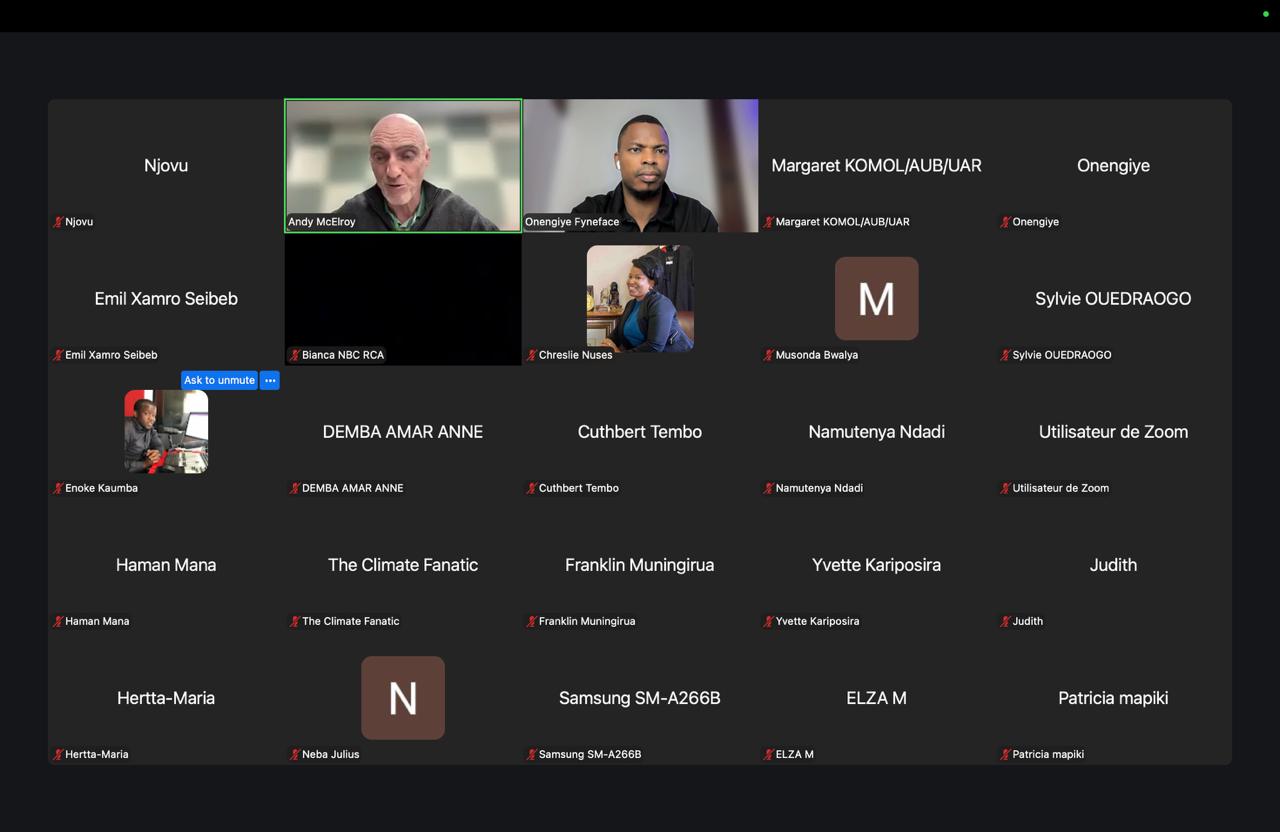

The African Union of Broadcasting (AUB) and the Green Climate Fund (GCF) have concluded the second day of a two-day training programme aimed at strengthening the capacity of African journalists to produce compelling, evidence-based and solutions-focused climate stories.
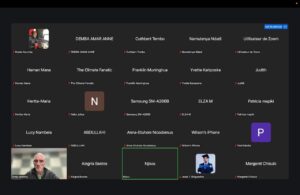
The training, organised under the AUB–GCF Climate Impact Stories Partnership in Support of Broadcast News Coverage of GCF Projects in Africa, brought together journalists from Namibia, Zambia and Senegal. It focused on practical storytelling techniques for translating complex climate information into clear, engaging reports that highlight the experiences of affected communities and the impact of climate solutions.

Lead Trainer, Onengiye Fyneface, led a module on turning verified facts into compelling stories. He highlighted the importance of developing a clear central message, opening with a strong news hook and combining human experiences with reliable data to make reports both relatable and credible.
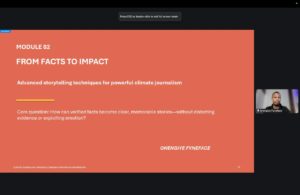
Participants were introduced to different storytelling approaches, including the inverted pyramid and the “day in the life” format. The session also examined how journalists can adapt stories for television, radio and digital platforms while maintaining accuracy, clarity and audience interest.
A major part of the training involved reviewing participants’ proposed story ideas. These covered a range of climate-related challenges across the three countries, including the effects of extreme heat and changing weather patterns on horticulture, coastal erosion, drought and its impact on farming families, water scarcity in informal settlements, and human-wildlife conflict.
Other proposed story angles included drought impacts in Zambia’s Gwembe Valley, climate-related challenges facing communities in Namibia, soil salinisation in Senegal’s Sine-Saloum region, drought-resilient farming practices and the role of early warning systems in helping farmers prepare for climate risks.
During the pitch reviews, Fyneface encouraged participants to move away from broad descriptions of climate change and identify specific, reportable angles supported by evidence and strong human experiences. He stressed the importance of knowing the intended audience and developing a central message that gives each story direction and purpose.
The training also featured a contribution from Andrew McElroy, representing the Green Climate Fund, who shared perspectives on effective climate storytelling and the importance of connecting climate finance and interventions to the people they are intended to benefit.

McElroy presented a film from Burundi as a case study, prompting discussions on the use of visuals, subtitles, translation and story duration in broadcast reporting. Participants examined how the film communicated the effects of climate change on farming communities and considered ways to make similar productions more accessible and engaging for different audiences.
The discussions highlighted the importance of showing the human consequences of climate change through strong visual evidence, rather than relying solely on narration and statistics. Participants also reflected on how to present local experiences in ways that help audiences understand the wider significance of climate impacts and the responses being implemented.
The AUB–GCF partnership seeks to strengthen African broadcast media capacity to report on climate change, climate finance and the results of GCF-supported interventions. Through the training and subsequent production activities, participating journalists are expected to develop documentaries and news features that bring the realities of climate change and the responses taking place in African communities closer to the public.
The initiative reflects AUB’s commitment to equipping African broadcasters and journalists with the skills to produce accurate, relevant and compelling stories that support public understanding of climate change and sustainable development.